Inform
State pulls 2,000 old reef tires from Eld Inlet, its third Thurston County cleanup after Burfoot Park and Tolmie
Crews for the state Department of Natural Resources raised about 2,000 tires from the seafloor off Frye Cove County Park starting Oct. 12. It follows removals of about 9,000 tires near Burfoot Park in 2025 and about 3,900 near Tolmie State Park in 2024. DNR will ask lawmakers for money to clear 10 more priority sites.
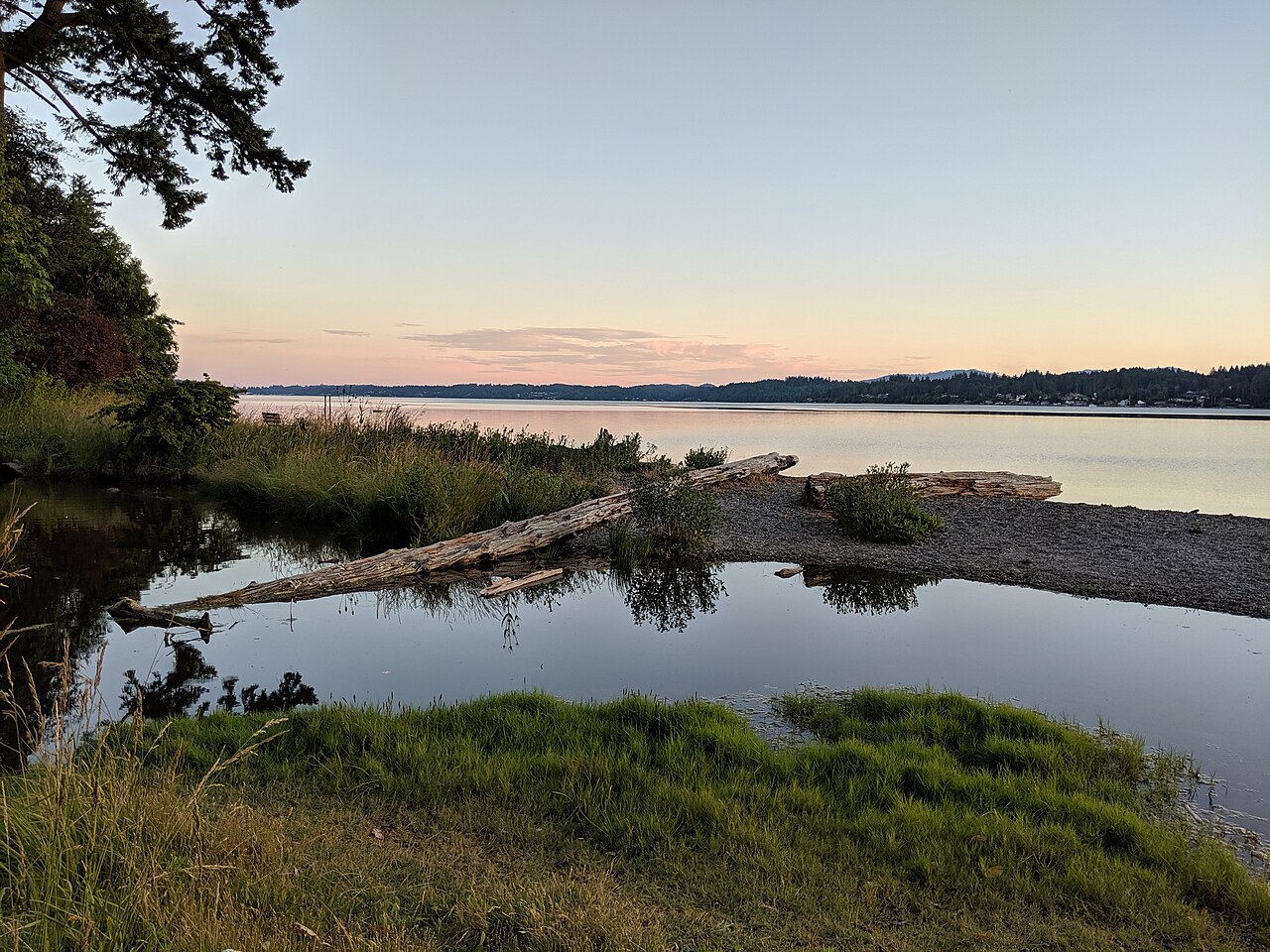
Work crews for the Washington State Department of Natural Resources have pulled about 2,000 old tires from the seafloor off Frye Cove County Park on Eld Inlet, the third such cleanup in Thurston County waters since 2024, The Olympian reported Wednesday, Oct. 21.
The latest job follows two closer to home. DNR removed just over 9,000 tires in 2025 from a site near Burfoot Park on Budd Inlet, near Boston Harbor, agency spokesperson Joe Smillie told The Olympian. In 2024, the agency recovered about 3,900 tires from a site next to Tolmie State Park on Nisqually Reach, according to agency data.
The Frye Cove work began Oct. 12, Smillie said. Crews used a crane to lift the tires onto a large boat. As of Monday, Oct. 19, the removal was mostly complete, and crews planned to spend a few more days surveying the site with a remotely operated submersible to make sure no tires were missed.
"Once the tires are recovered, the barged tires are sent to a tire monofil facility that only accepts tire waste," Smillie said in an emailed statement to The Olympian. "Due to their condition, they cannot be recycled and are not fit for a landfill."
Quigg Bros. Inc. was the apparent low bidder on the Frye Cove contract at $472,321, according to bid results posted after bids opened July 14.
State groups sank thousands of tires across Puget Sound from the 1960s through the 1980s, hoping to build artificial reefs for rockfish and lingcod, according to DNR. Later surveys found fish were not using them.
Over time, the plastic line and metal straps that bundled five to eight tires together weakened and broke, DNR says. Loose tires drifted and sometimes washed up on beaches. The tires also break down into microplastics and rubber bits and leach chemicals, and the piles collect monofilament fishing line that can tangle divers and marine animals, according to the agency.
DNR surveyed 20 locations from 2019 to 2023 and identified 14 tire pile sites as priorities for removal. It works with the Department of Ecology, the Department of Fish and Wildlife, State Parks and the Washington Scuba Alliance.
The cleanups are paid for with state capital budget money. Smillie said DNR will seek more funding in the upcoming legislative session to address the 10 remaining priority sites. He said costs vary from site to site.
Sources
- "The Olympian, Oct. 21, 2026
- "Washington DNR, Tire Pile Removal Program
- "WashingtonBids, Frye Cove Tire Pile Removal bid result
Photo credit: Matthew.kowal / Wikimedia Commons, CC BY-SA 4.0